Email us




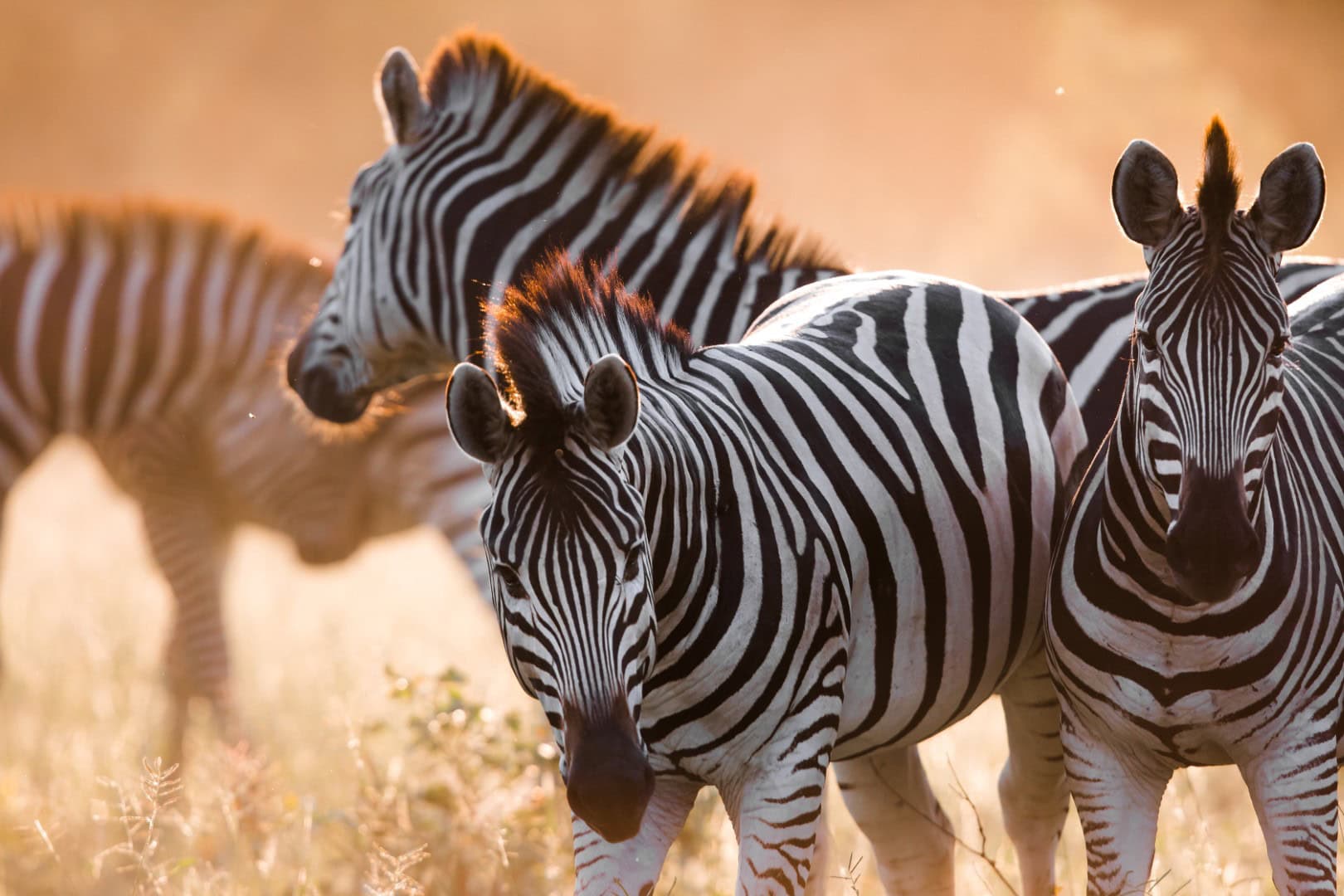



There’s something quietly powerful about witnessing the zebra migration in Botswana. Thousands of black-and-white stripes moving as one, crossing some of Africa’s most remote wilderness.
For travellers who collect moments the way others collect art, a zebra migration safari offers something rare: authenticity, privilege, and the chance to witness the longest terrestrial migration in Africa with almost no one else around.
Here, the wild still decides. Herds shift with the rain. Light dances across the pans. And every day brings something unscripted, intimate, and unforgettable. If you’ve ever wondered, “Do zebras migrate?”, “Why do zebras migrate?”, or “Where do Africa’s large mammal migrations take place?” Botswana holds the answers and the experience.
Why Should You Go on a Migration Safari in Botswana?
See One of the Most Incredible Natural Events
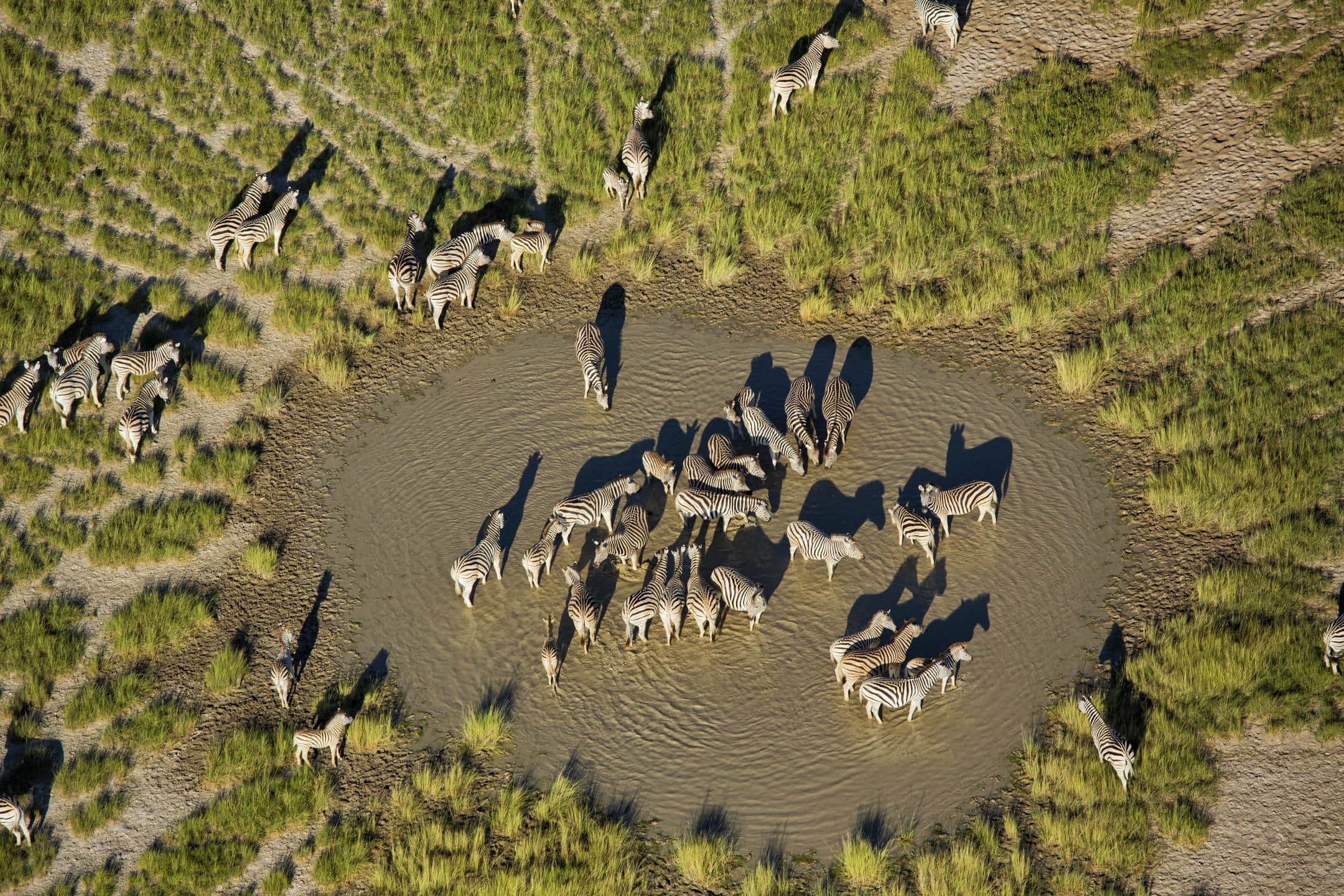
Each year, the zebra migration in Botswana is set in motion by summer rains that sweep across the desert. From the Makgadikgadi Pans to the Boteti River and the grasslands of Nxai Pan, the journey stretches hundreds of kilometres. It’s a route shaped not by human expectation but by instinct, weather patterns, and the rhythm of ancient pathways.
Watching these herds, the iconic Botswana zebra, the country’s national animal, is witnessing a story written long before us. When you stand at the edge of a pan as thousands move across the shimmering salt flats, you feel the privilege immediately. It’s real. And it’s still largely unknown to mainstream travellers.
Dramatic Predator-Prey Interactions
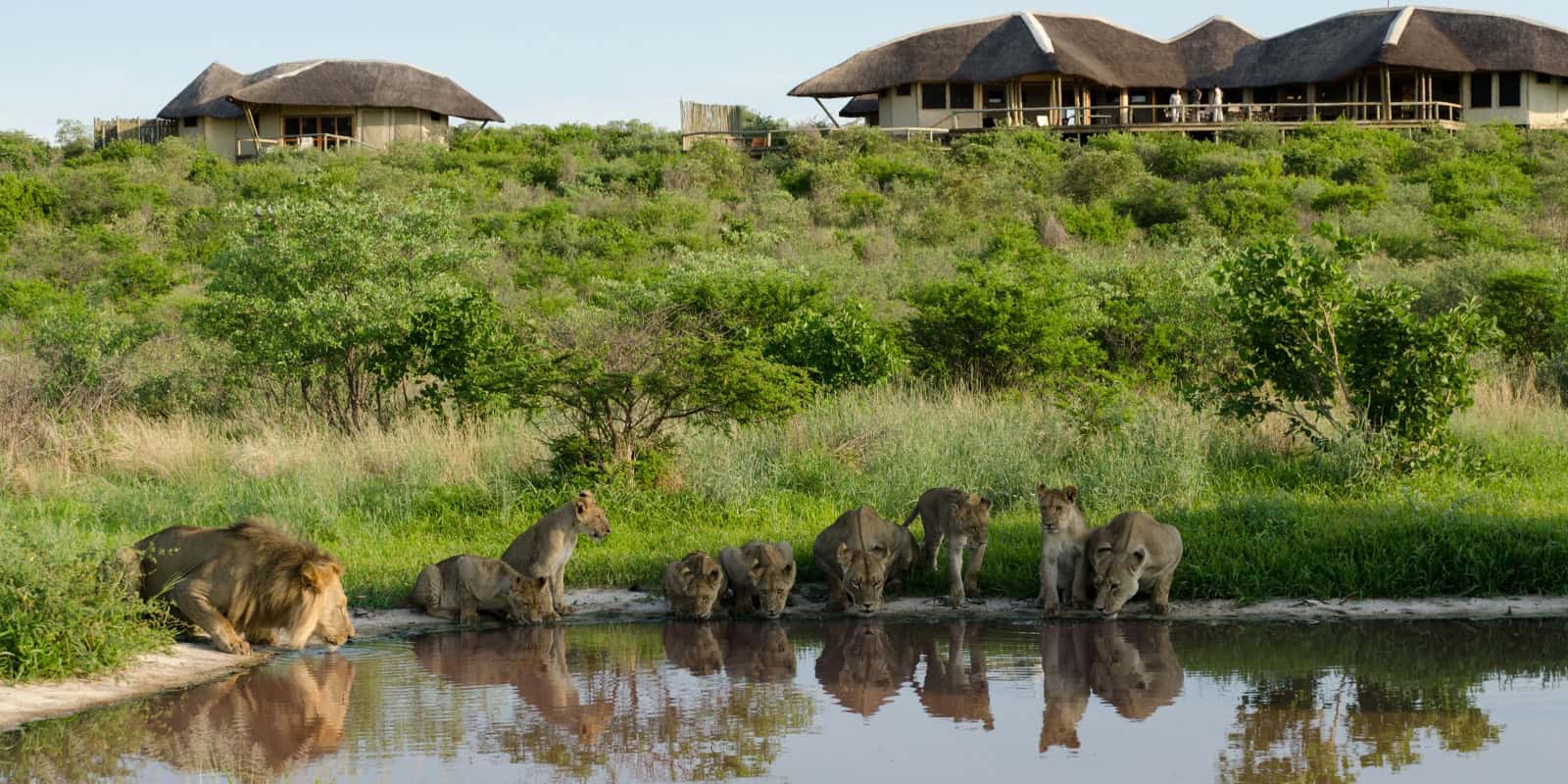
Where do zebras migrate? Into lands where predators are never far behind. Lions shadow the herds across the grasslands. Hyenas watch patiently for a moment of weakness. Along river crossings, crocodiles wait beneath the surface.
On a migration safari in Botswana, you won’t just see wildlife; you’ll feel the tension of a living ecosystem in motion. This isn’t staged drama. It’s nature at its most honest, where every step of the journey carries risk, strategy, and instinct.
Stunning Landscapes
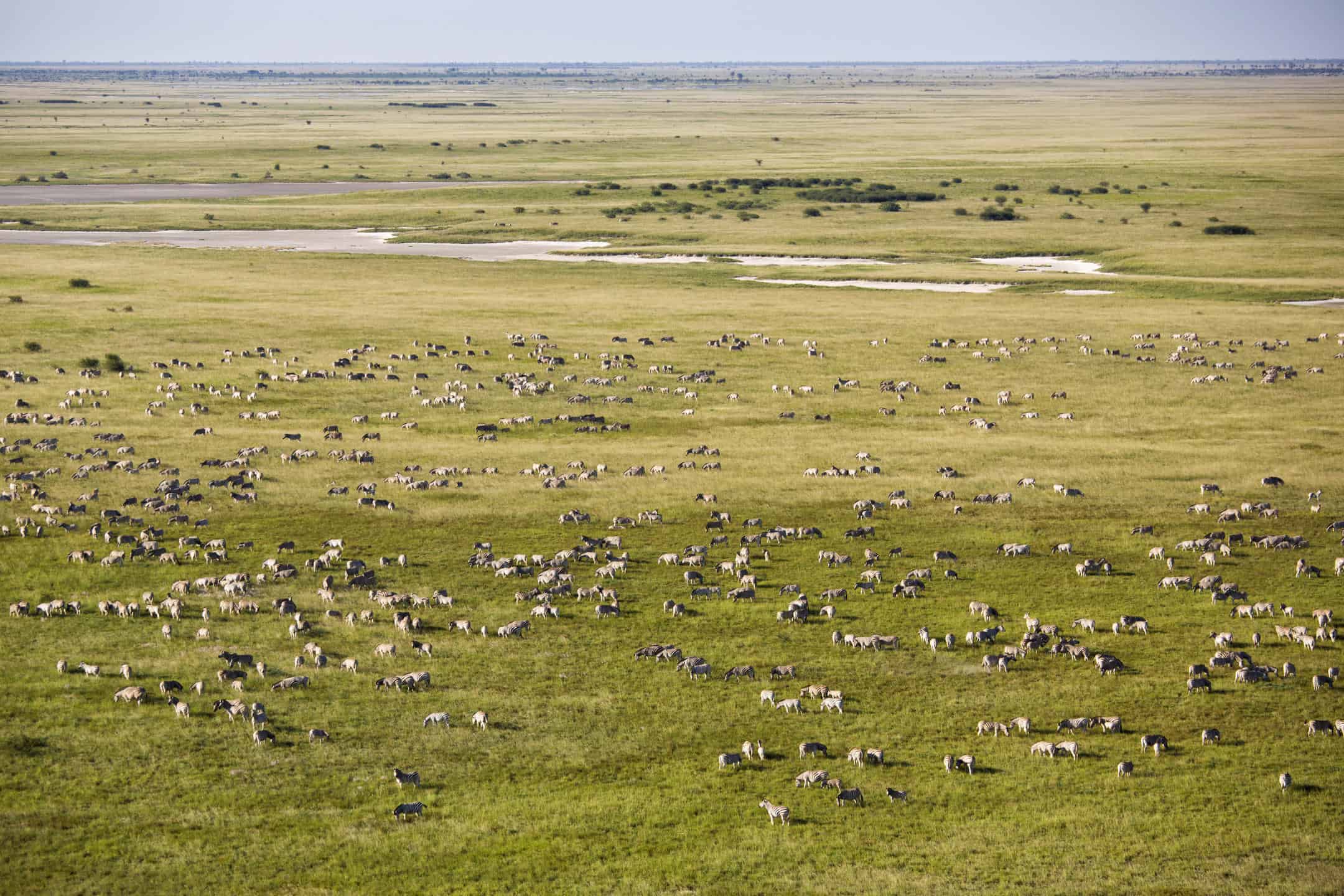
Few migrations take place in such varied landscapes. Wide-open salt pans. Golden savannahs. Secret wetlands. During the wet season, the desert comes alive, transforming into a painter’s palette of green plains, white horizons, and cobalt skies.
Moving between these places by private charter or 4×4 allows you to experience the scale of Botswana’s wilderness with an intimacy that’s hard to describe. It feels like travelling through several worlds in a single journey. Each one beautiful, each one untouched.
Where The Journey Unfolds
Makgadikgadi Pans
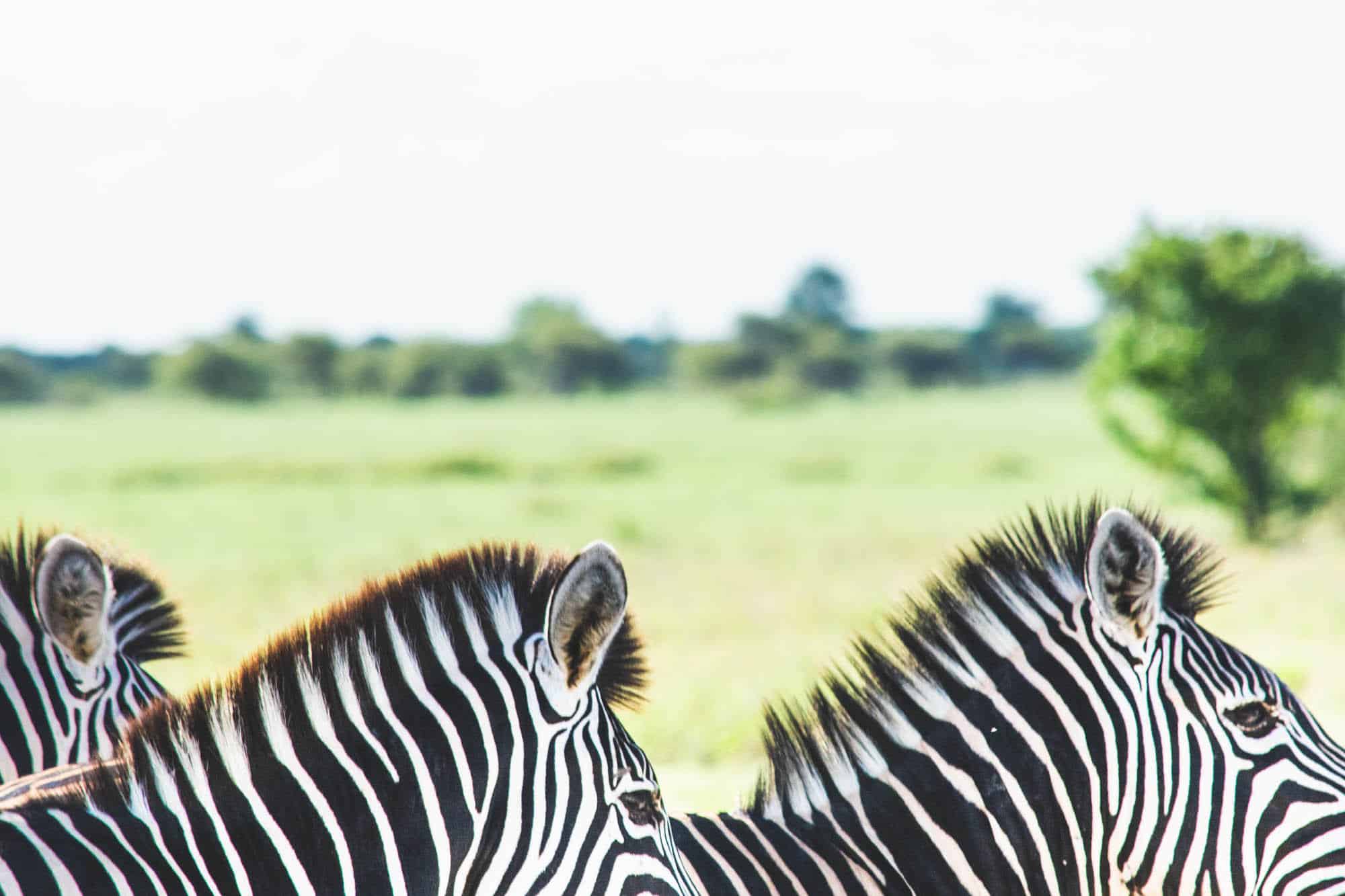
The migration begins here, on one of the world’s largest salt flats. The Makgadikgadi Pans are remote, stark, and utterly beautiful. This is where the first rains stir old routes back to life, drawing zebras onto the open expanse.
Reaching this area is a privilege in itself. With minimal tourism density and vast horizons, you’ll often feel like you have the pans to yourself. Ultra-premium mobile camps set up here bring comfort without breaking the spell of wilderness. By night, the pans reflect starlight in a way that stays with you long after you’ve left.
Nxai Pan National Park
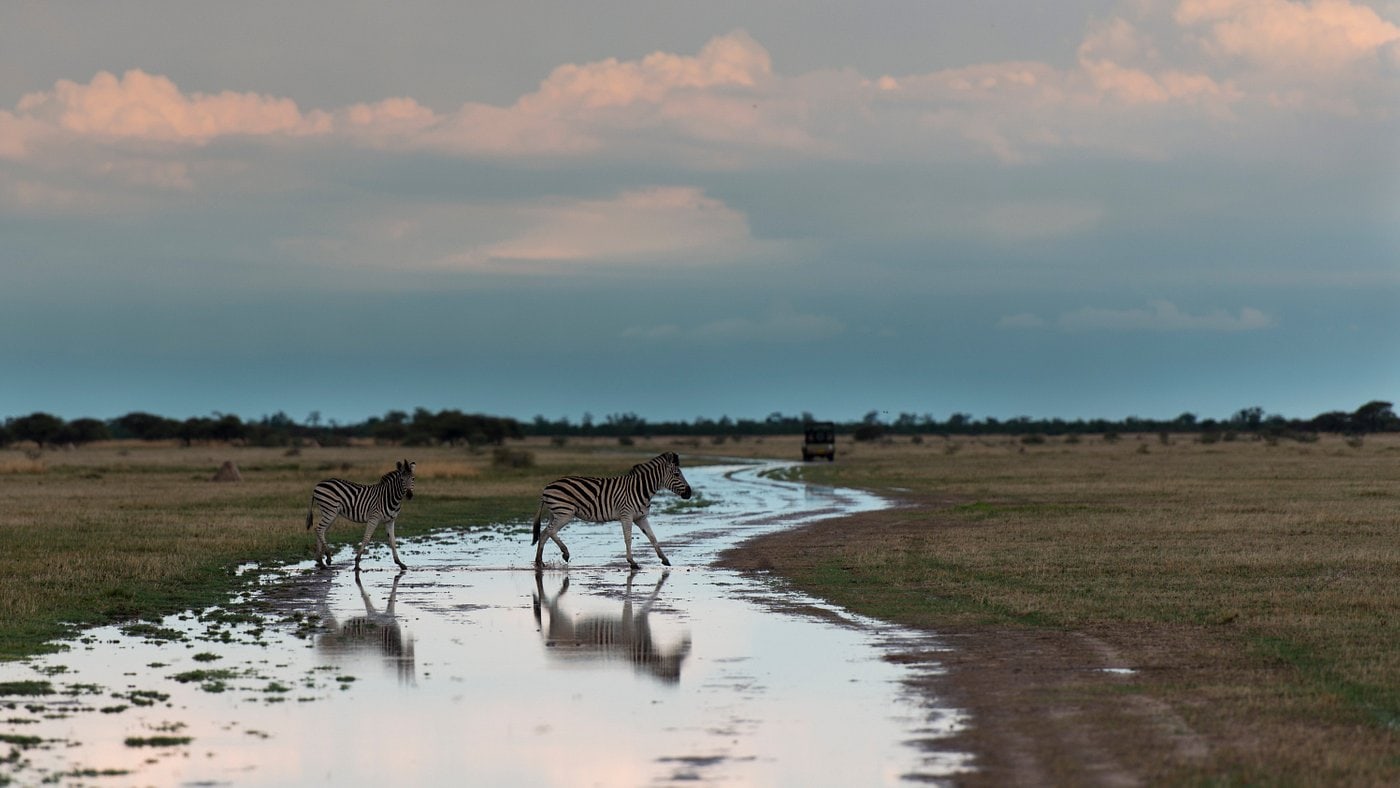
When the pans turn green, the herds begin their great sweep north towards Nxai Pan. During the wet season, this arid landscape shifts into a paradise of fresh grass, perfect for mothers with new foals.
It’s here that you’ll often witness tender moments: young zebras taking their first steps, playful chases, or full herds drinking at ephemeral waterholes.
Nxai Pan feels both cinematic and deeply personal. The silence is soft, the wildlife prolific, and the experience grounding.
Chobe National Park
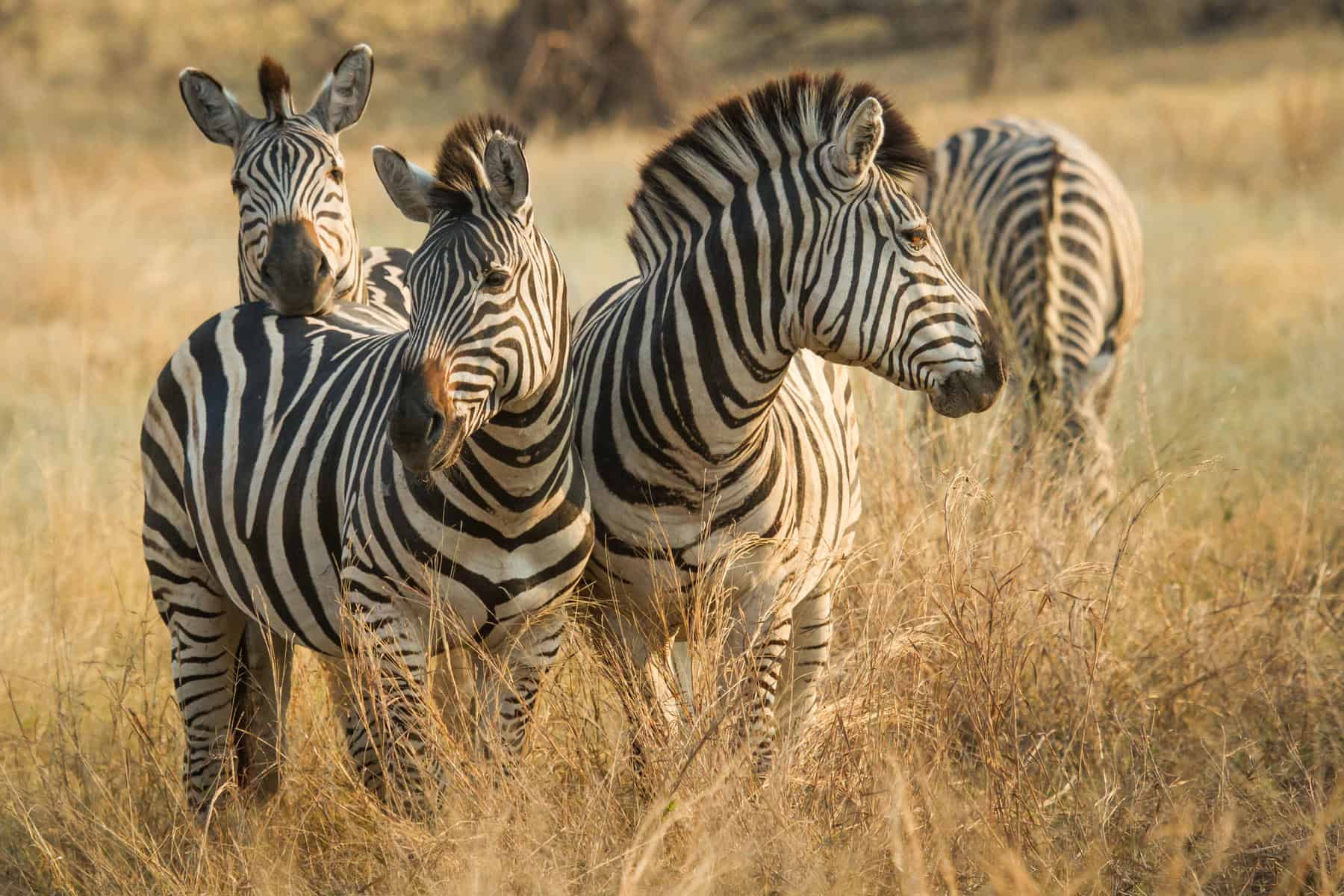
Chobe is where the migration meets one of Africa’s most predator-rich environments. Here, lions follow the herds closely, while cheetahs, leopards, and wild dogs take advantage of the abundance of antelope and young zebras.
As the final stretch of the migration route, Chobe offers layered stories of survival, strategy, and strength. It’s a powerful way to end your journey.
5 Tips for a Migration Safari in Botswana
1. Visit in the Wet Season
When is the zebra migration in Botswana? The best time is during the wet season, November to April, with December to February offering the most consistent movement across the Makgadikgadi and Nxa Pan. Because it’s low tourism season, you’ll enjoy a much more exclusive experience.
2. Hire Expert Guides
Opt for tours with experienced guides who understand animal behaviour. When you book with Discover Africa, we’ll ensure that your migration safari is conducted by experts.
Skilled guides are essential for understanding behaviour, tracking herds and predators, and navigating remote areas. When you travel with us, you’ll be accompanied by people who know these landscapes intimately.
3. Bring a Camera
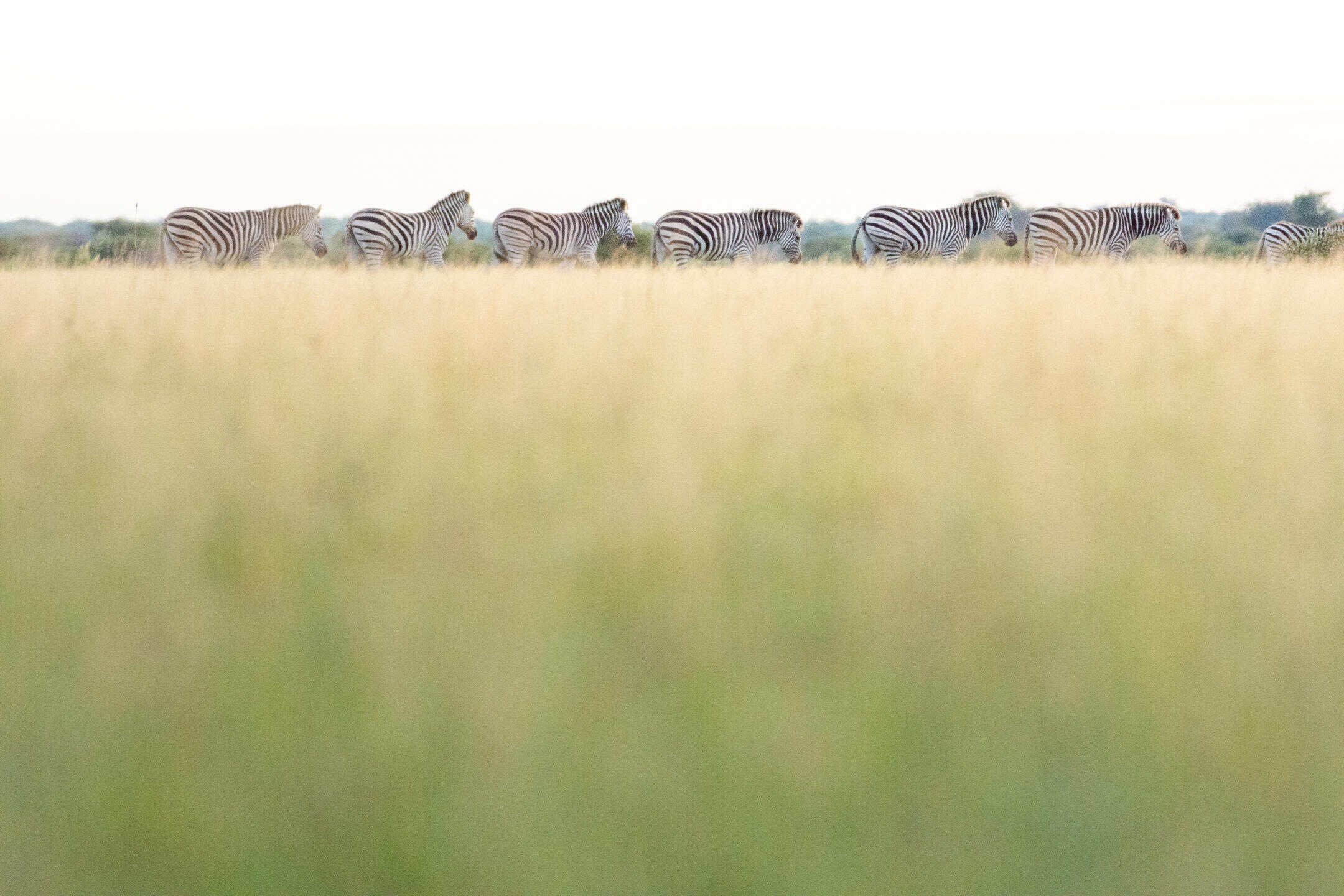
The contrasts of Botswana, black-and-white striped herds against golden grass, and storms rolling over the pans are a dream for photographers. A telephoto lens will help you capture the migration’s drama and detail.
4. Go on Early Morning and Late Afternoon Game Drives
These are the golden hours. Predators are active, light is soft, and the herds are usually on the move.
5. Have Patience
Migration isn’t a performance. It’s a journey shaped by weather and instinct. Give it time, and Botswana will reward you with moments that feel personal, unfiltered, and deeply moving.
If you’re ready to experience a journey few ever witness, and even fewer witness in such comfort, speak to us. We’ll design Zebra Migration safari packages tailored to your rhythm, your interests, and your love for the extraordinary.